Pair one weekly hour of live speaking with ten minutes of daily audio or app drill. Tutor marketplaces like italki handle the speaking; Pimsleur or Babbel hold the habit together on weeks when work wins.
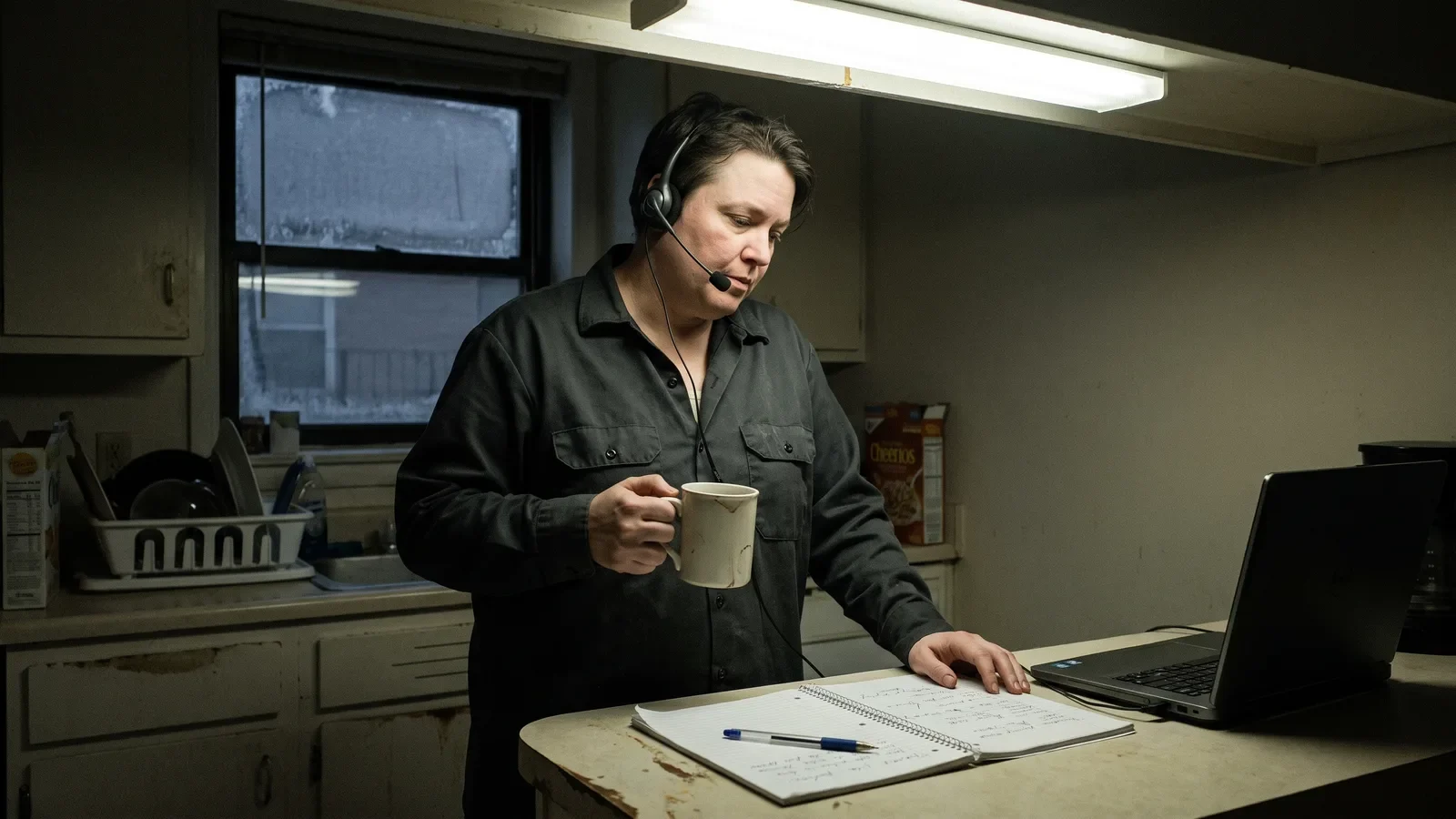
How we compared: hours per week, cost per speaking hour, scheduling flexibility, and what we could not verify
Adults rarely quit Spanish because the grammar beat them. They quit because Tuesday ran long, the class was at 7 p.m., and the streak died on a work trip. Every judgment below starts from that failure mode.
Five axes decided the order:
- Speaking time per week. Does the method put you in unscripted conversation, or only in recognition exercises?
- Cost per speaking hour. Published price converted into what one hour of talking actually costs you, not the headline monthly fee.
- Scheduling flexibility. Can you book a 6:15 a.m. slot, move it, or practice offline during a commute?
- Floor on a bad week. What survives when you have twelve minutes, not ninety?
- Ceiling. Can the same method still help you at an intermediate plateau?
The U.S. Department of State’s Foreign Service Institute places Spanish in Category I, where its students average 24–30 weeks of training, or 600–750 class hours, to reach professional working proficiency. That is a full-time cohort with classroom instruction. The State Department also notes that FSI’s published timelines are averages that vary by learner, so do not convert them into a personal deadline.
What we could not verify: individual teacher quality on any marketplace, regional or promotional pricing, retention rates, and how each platform handles refunds in practice. Nothing here was hands-on tested, and no vendor supplied data. Prices are the published figures from the named sources, and they change.
| Option | Published price (per source) | Live speaking? | Scheduling flexibility | Best for |
|---|---|---|---|---|
| italki | From $4/hr; most tutors $4–$25/hr (italki) | Yes, 1-on-1 | Very high — book per lesson | Anyone with an unpredictable calendar |
| Pimsleur | $14.95/mo; Premium $19.95/mo (Pimsleur store) | No, guided audio drill | Very high — hands-free, offline | Commuters and early mornings |
| Babbel | About $18/mo retail; $215 for 12 months (TestPrepInsight) | No, structured self-study | Very high — short units | Grammar-first beginners |
| Lingoda | Not verified here | Yes, groups of 3–5 (Lingoda) | Medium — fixed class slots | People who need external deadlines |
| BaseLang | $179/mo unlimited; Lite $99/mo (BaseLang) | Yes, unlimited 1-on-1 | High, if you can book daily | Sabbaticals and sprint months |
| Duolingo Max | Not verified here | Limited | Very high — minutes a day | Keeping a streak alive, not building fluency |
1. italki
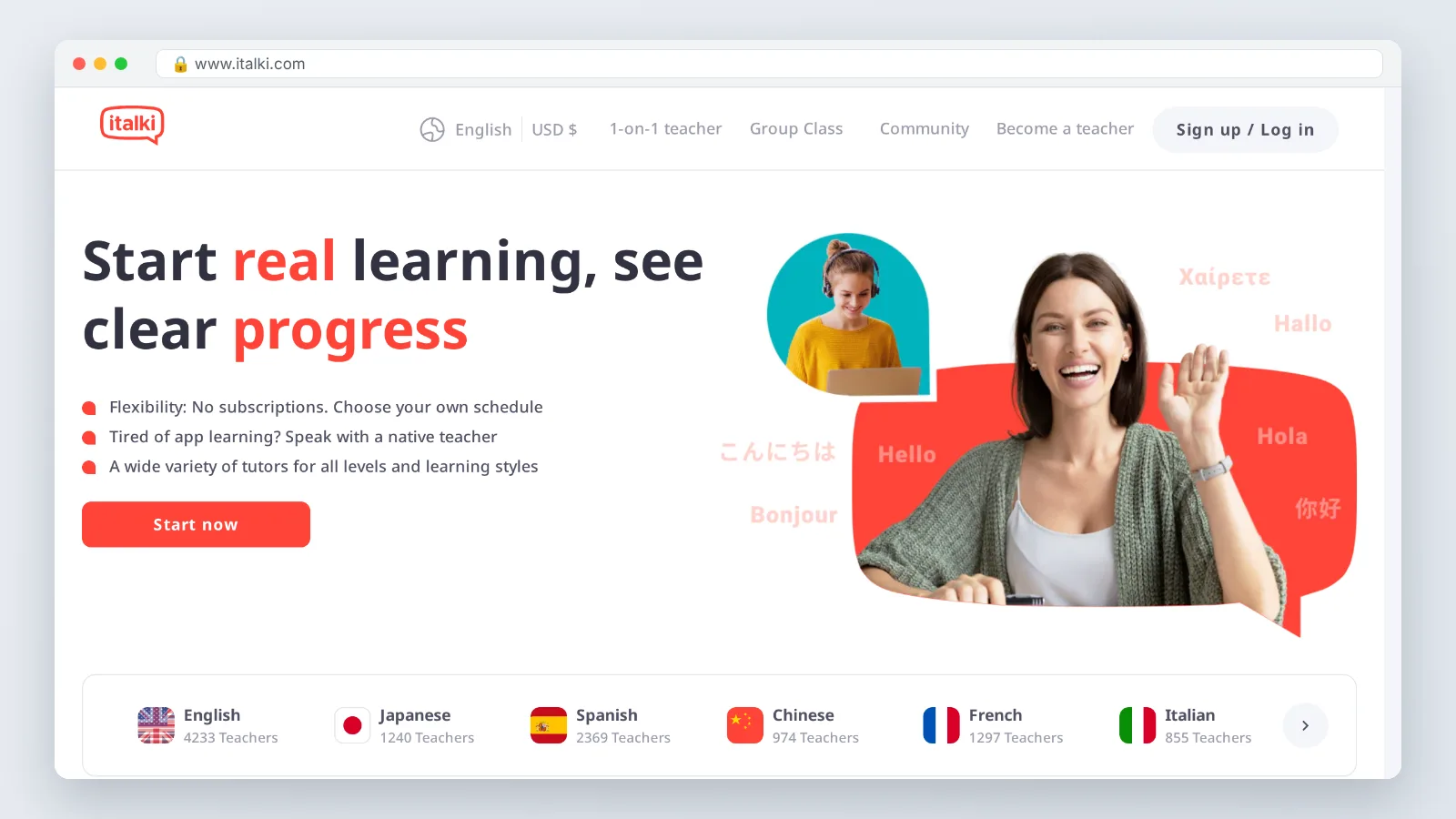
A tutor marketplace wins for working adults because the unit of purchase is one hour, not one month. You book Thursday at 6:30 a.m. with a teacher in Bogotá, cancel inside the window when a client call lands, and rebook Saturday. No plan expires while you are busy.
italki reports that Spanish lessons on its marketplace start from $4 per hour, with most tutors charging between $4 and $25 per hour, versus $15–$60 per hour for private online tutors booked elsewhere. Run the arithmetic for your own case: two sessions a week at the lower end of that marketplace range costs less per month than many subscription plans, and all of it is talking time.
The trade-off is curriculum. You are the project manager — you choose the tutor, the materials, and the pace, and a weak tutor costs you weeks before you notice.
Who it’s for: adults whose week never looks the same twice and who want conversation from month one.
Skip it if: you want a syllabus handed to you and you dislike interviewing three or four teachers before one clicks.
2. Pimsleur
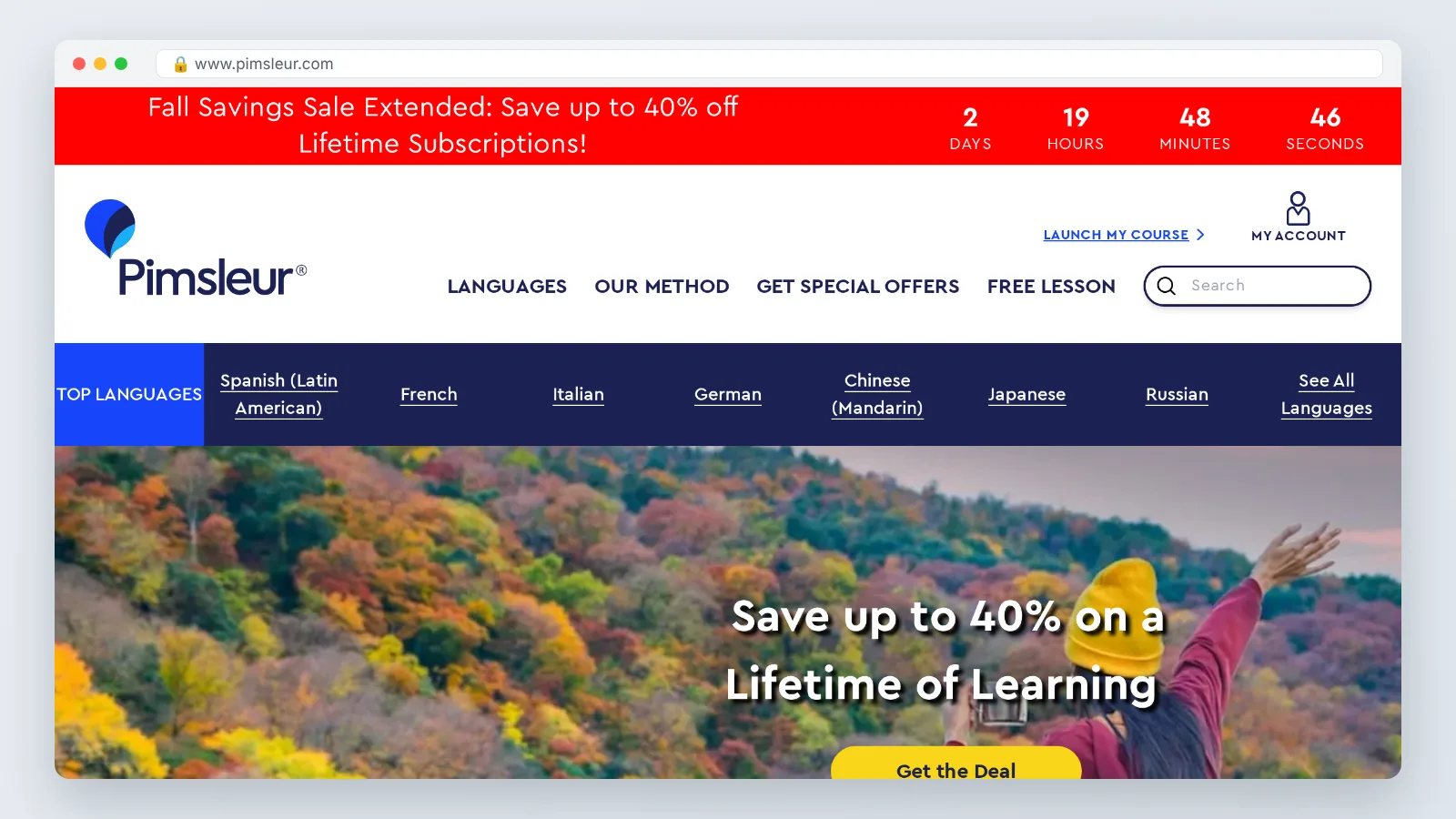
Pimsleur is the only option here that fits into time you already spend doing something else. Thirty minutes of driving, folding laundry, or walking the dog becomes thirty minutes of forced recall in Spanish, out loud, with no screen. For a parent with a full-time job, that recovered time is the whole argument.
Pimsleur’s official store lists its standard subscription at $14.95 per month and Pimsleur Premium at $19.95 per month, after a 7-day free trial. Judge it against your commute: if you drive forty minutes each way, the audio lessons alone can give you more speaking-aloud repetitions per week than one tutor session.
The method drills pronunciation and sentence reflexes hard. It does not teach you to read, and the vocabulary ceiling arrives sooner than motivated learners expect.
Who it’s for: commuters and anyone who learns better with ears and mouth than with eyes.
Skip it if: you need reading and writing for work, or you find scripted repeat-after-me prompts unbearable.
3. Babbel
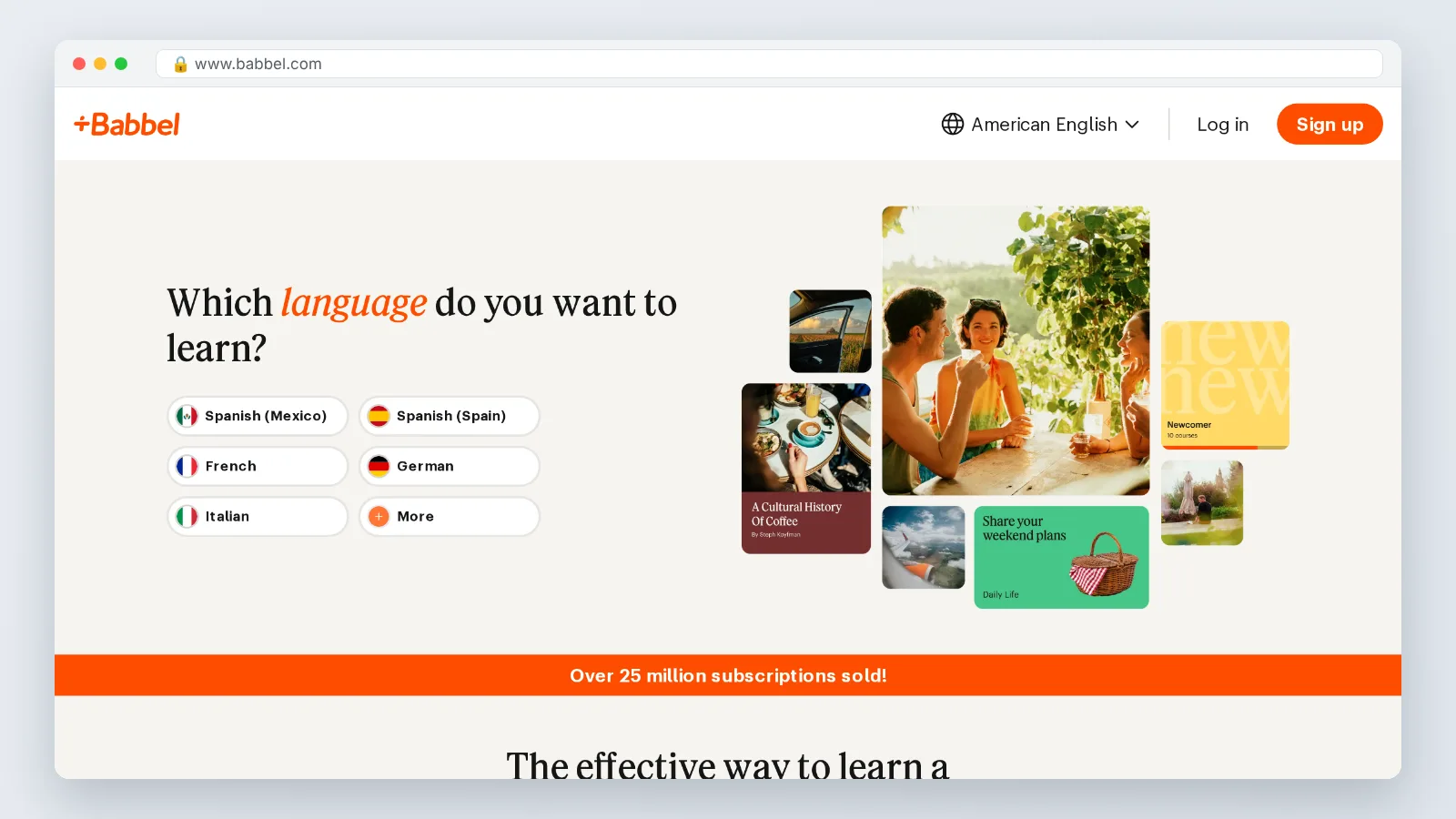
Babbel sits between a game and a textbook. Lessons are short, explicitly grammatical, and sequenced, which suits adults who want to know why the subjunctive showed up rather than absorbing it by exposure. You can finish a unit in a lunch break.
Babbel’s full retail pricing works out to about $18 per month, with a 3-month plan at $54, a 6-month plan at $108 and a 12-month plan at $215, according to TestPrepInsight. Spread across daily ten-minute sessions, that is a low-friction way to hold structure between live lessons.
What it cannot do is make you improvise. Self-study apps never produce the small panic of a real person waiting for your answer, and that panic is where fluency is built.
Who it’s for: beginners who want explanations and a clear path, plus a cheap daily anchor beside tutoring.
Skip it if: you already handle present and past tenses and your real gap is speaking under pressure.
4. Lingoda
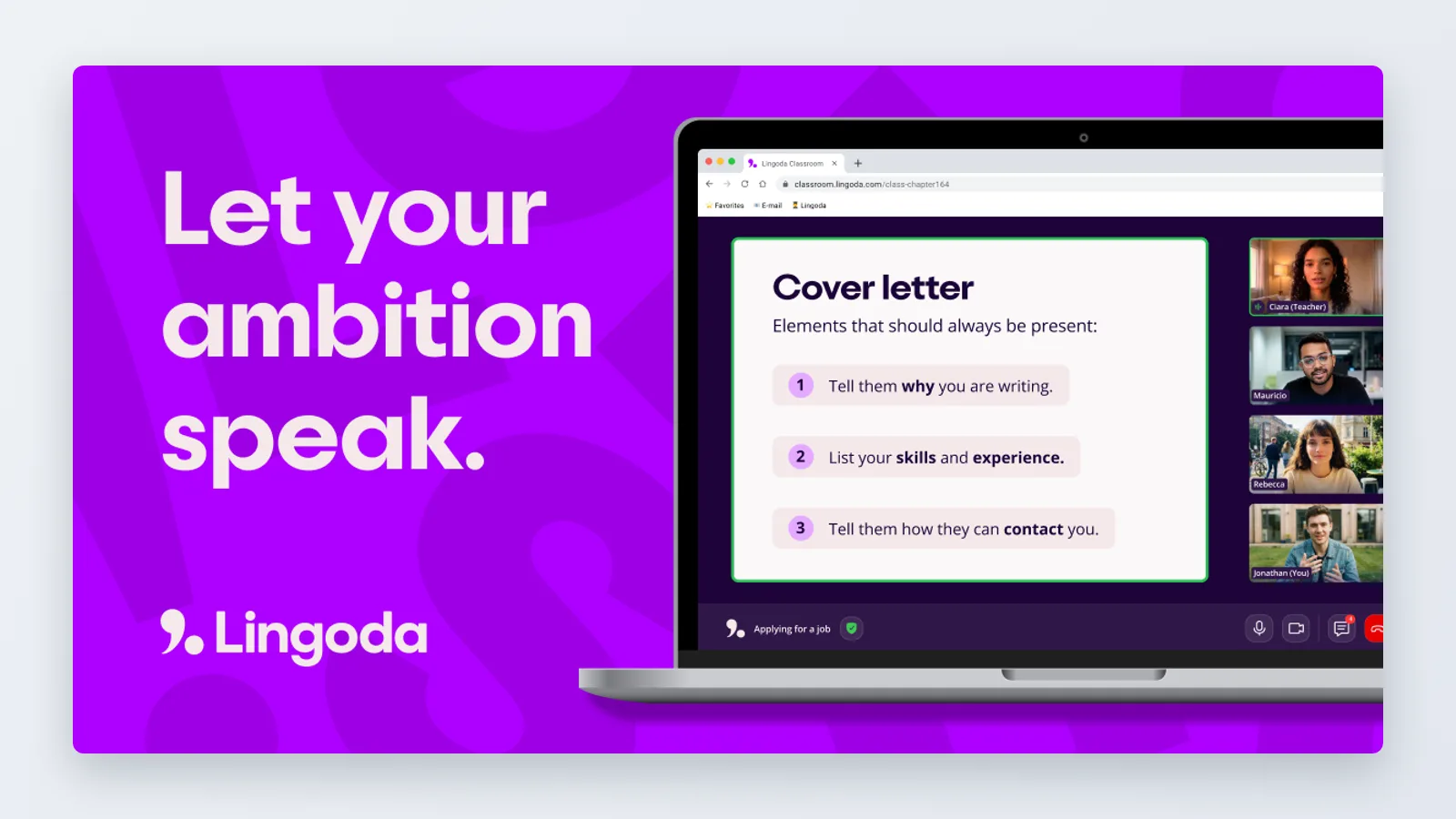
Lingoda’s model solves a specific adult problem: no external deadline. Group classes at fixed times create an appointment you are mildly embarrassed to miss, and small groups mean you hear other learners make the mistakes you are about to make.
Lingoda’s intensive Spanish Sprint runs for 2 months and delivers either 30 or 60 hours of instructed learning in total. The company also states that Sprint learners choose 15 or 30 classes per month, taught by qualified native-level speakers in groups of 3 to 5 students. Thirty classes in a month is roughly one per weekday — treat that as a commitment to defend, not a stretch goal.
Group format divides your speaking time among classmates, so an hour of class is not an hour of your mouth moving.
Who it’s for: adults who follow through on calendars but not on self-directed practice.
Skip it if: your work travel or on-call rotation makes fixed weekday slots a coin flip.
5. BaseLang
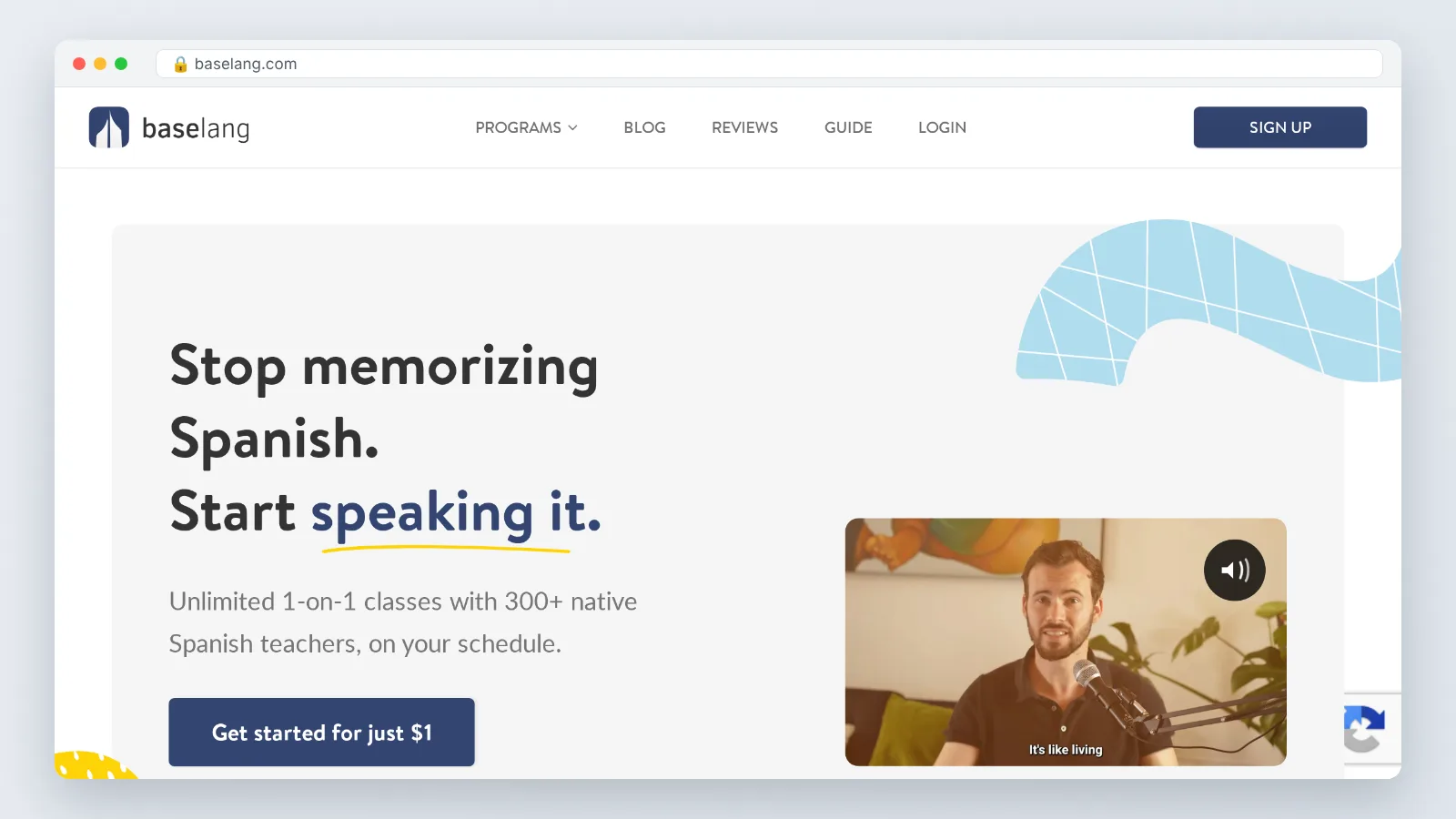
Flat-rate unlimited tutoring changes the math only if your calendar can feed it. BaseLang charges a flat $179 per month for unlimited private Spanish classes, with a Lite plan at $99 per month for a daily 30-minute class, according to BaseLang. At twenty hours booked in a month, the unlimited plan works out to roughly nine dollars an hour of one-on-one time; at four hours, it is closer to forty-five.
That sensitivity is the whole decision. A two-week vacation, a parental leave, a slow quarter — those are the months unlimited pays for itself. A quarter-end crunch is not.
The Lite plan is the more honest fit for most full-time workers, since a daily half hour before work is a schedule you can actually keep.
Who it’s for: people entering a defined sprint period with hours to burn and a target date.
Skip it if: your realistic ceiling is two or three sessions a week — per-hour booking will cost less.
6. Duolingo Max
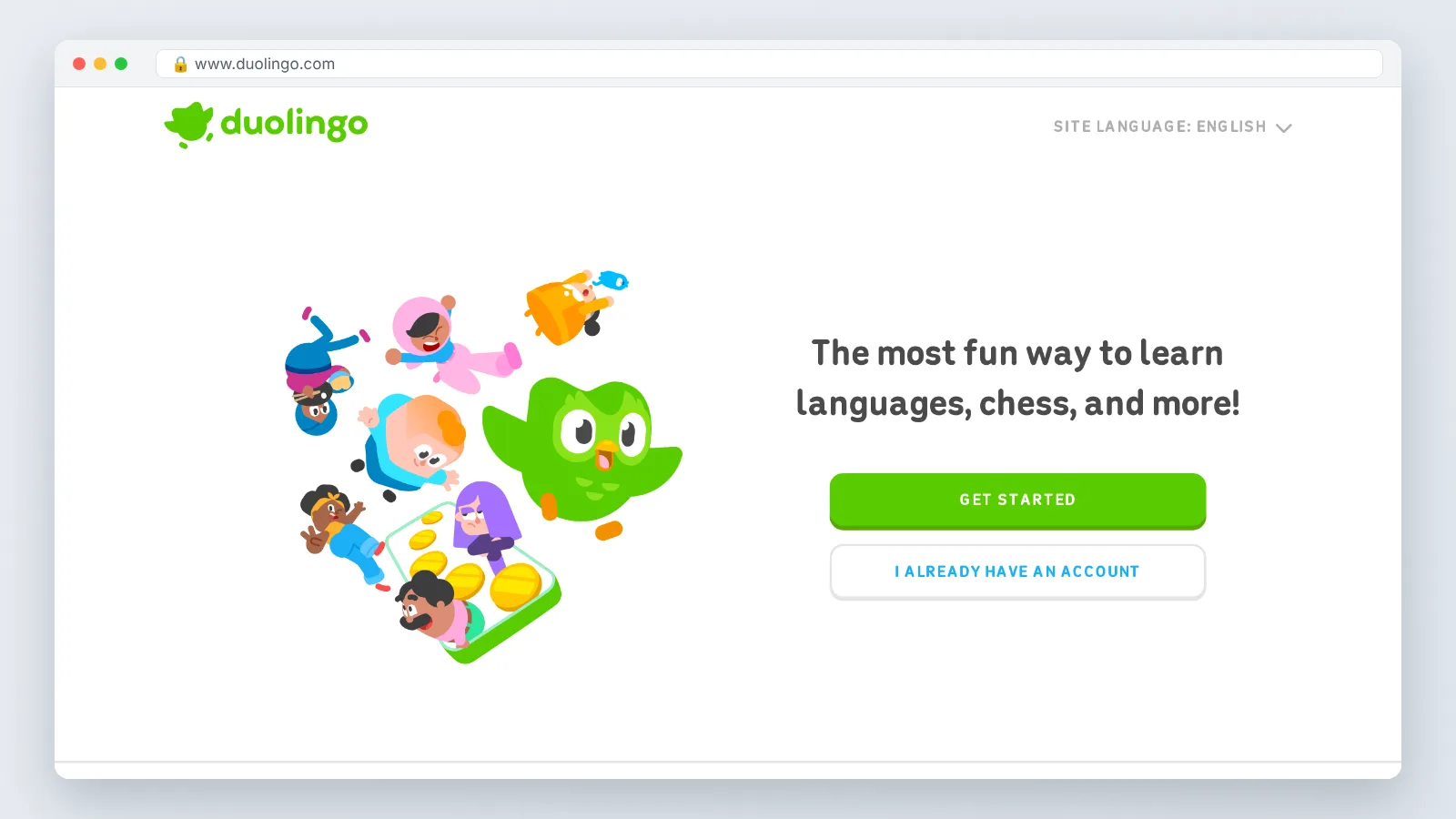
Duolingo’s top paid tier earns its place for one reason: it keeps a thread alive on weeks when nothing else gets done. Three minutes on a phone at 11 p.m. is not study, but it stops the complete stop, and the complete stop is what ends most adult attempts.
Treat it as maintenance, not as a method. Gamified streaks reward opening the app, which is a different behavior from producing a sentence a stranger understands at a market in Oaxaca.
Against the FSI benchmark cited earlier by the State Department — 600–750 class hours for Category I languages like Spanish — a few minutes of tapping per day is a rounding error on the path to working proficiency. Pair it with live conversation or accept that it is a hobby.
Who it’s for: adults rebuilding a daily habit after a lapse, or absolute beginners testing whether they will stick with it.
Skip it if: you need to hold a work call in Spanish within the year.
Which one fits you: matching the method to your weekly schedule
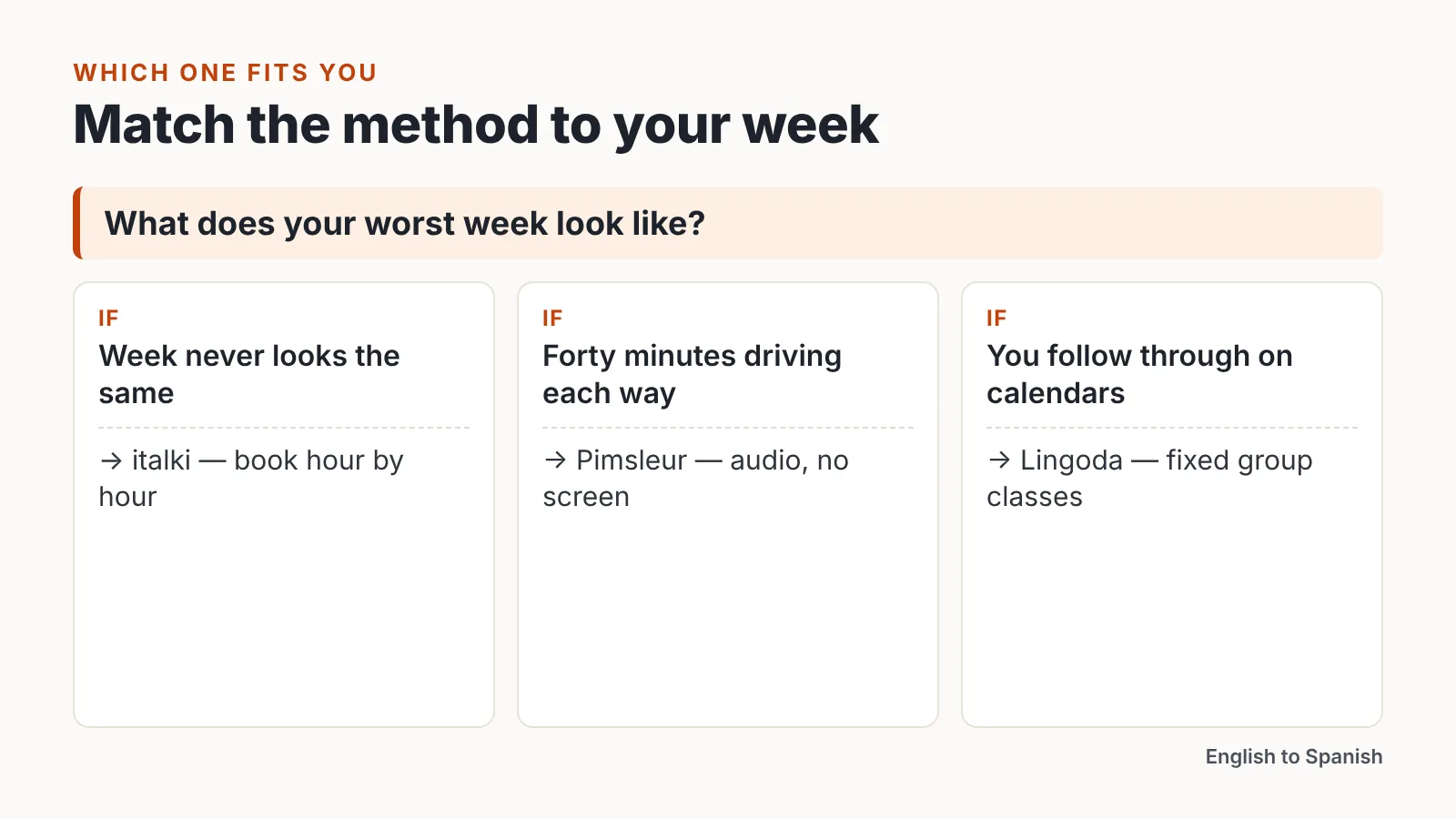
Pick by the hours you can defend on a bad week, not a good one. Most adults overestimate by double, then feel defeated when a $179 unlimited plan produces four lessons.
| Your situation | Choose this | Why |
|---|---|---|
| 2–3 unpredictable hours a week | italki | Per-hour booking, from $4/hr per italki, nothing expires |
| 60+ minutes of daily commuting | Pimsleur | $14.95/mo standard per Pimsleur’s store, hands-free |
| Total beginner, wants a syllabus | Babbel | About $18/mo retail per TestPrepInsight, grammar explained |
| Needs a deadline to show up | Lingoda Sprint | 30 or 60 hours across 2 months per Lingoda |
| Sabbatical or 2-month sprint | BaseLang | $179/mo unlimited private classes per BaseLang |
| Rebuilding the habit after quitting | Duolingo Max | Lowest daily friction |
The strongest combination for a full-time job is boring: one or two live hours a week for speaking, plus ten to fifteen minutes daily of audio or app work to keep vocabulary warm. Book the live hour at the same time each week and protect it like a dentist appointment.
Review after eight weeks. If you have not had a conversation where someone corrected you, your plan has too much input and not enough output — move money from subscriptions into tutor hours.
Frequently asked questions
How long does it take an adult to learn Spanish while working full time?
The U.S. Department of State’s Foreign Service Institute places Spanish in Category I, averaging 24–30 weeks or 600–750 class hours for professional working proficiency — but that reflects full-time students, and the State Department notes those timelines are averages that vary by learner.
Is a tutor worth it, or can apps alone make me conversational?
Apps build recognition; conversation builds production. italki reports Spanish lessons start from $4 per hour, with most tutors charging $4–$25 per hour, so one weekly live session often costs less than you assume and fixes what apps cannot.
Which option gives the lowest cost per hour of actual speaking?
It depends on volume. BaseLang charges a flat $179 per month for unlimited private classes, which beats per-hour booking only if you take many lessons; at two sessions a week, italki’s $4–$25 per hour range is usually cheaper.
How much Spanish practice per day is enough for a working adult?
Set a floor you can hit on your worst day — ten to fifteen minutes of audio or app drilling — then add one or two live conversation hours weekly. Consistency beats intensity, because missed weeks cost more than short sessions.
Are group classes as effective as one-on-one for adults?
Group classes add accountability but divide talking time. Lingoda’s Sprint teaches in groups of 3 to 5 students and delivers 30 or 60 hours across 2 months, so expect to listen more than you speak compared with private lessons.
Sources
- Foreign Language Training – United States Department of State
- Pimsleur – Premium Upgrade (Official Pimsleur Store)
- Intensive Spanish Course Online (Sprint) – Lingoda
- BaseLang vs italki: Which Spanish Platform Should You Choose? – BaseLang
- How Much Does a Spanish Tutor Cost? 2026 Rates Broken Down – italki
- How Much Does Babbel Cost? – TestPrepInsight
AI tools helped write this guide. The English to Spanish Editorial Team published it after checking every figure against the sources linked above.